At SwimEasy, we don’t just teach swimming; we teach it “The SwimEasy Way.” Our methods are built on a foundation of nine core principles that ensure every student, from their first splash to advanced strokes, receives professional swimming instruction of the highest caliber.
Here is the full breakdown of the principles that define our curriculum:
1. Time at Task
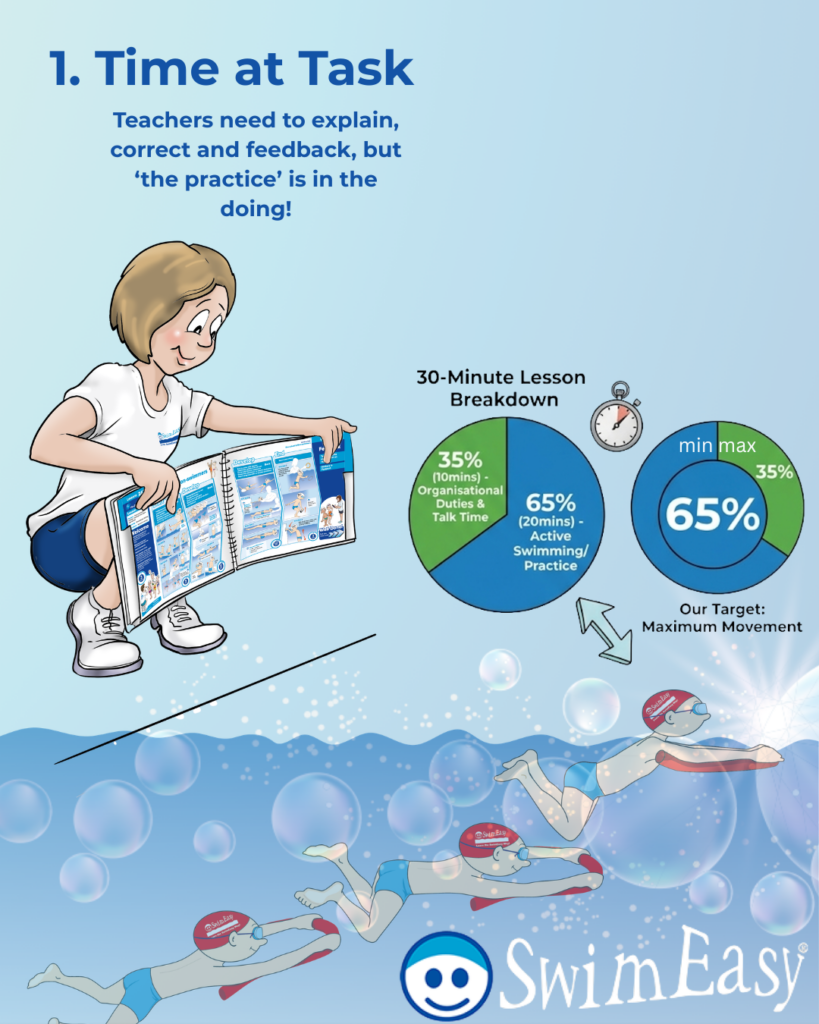
Teachers need to explain, correct, and feedback, but “the practice” is in the doing! We aim for 65% active swimming time in every 30-minute lesson. Maximum movement equals maximum progress.
2. Repeats and Rotations
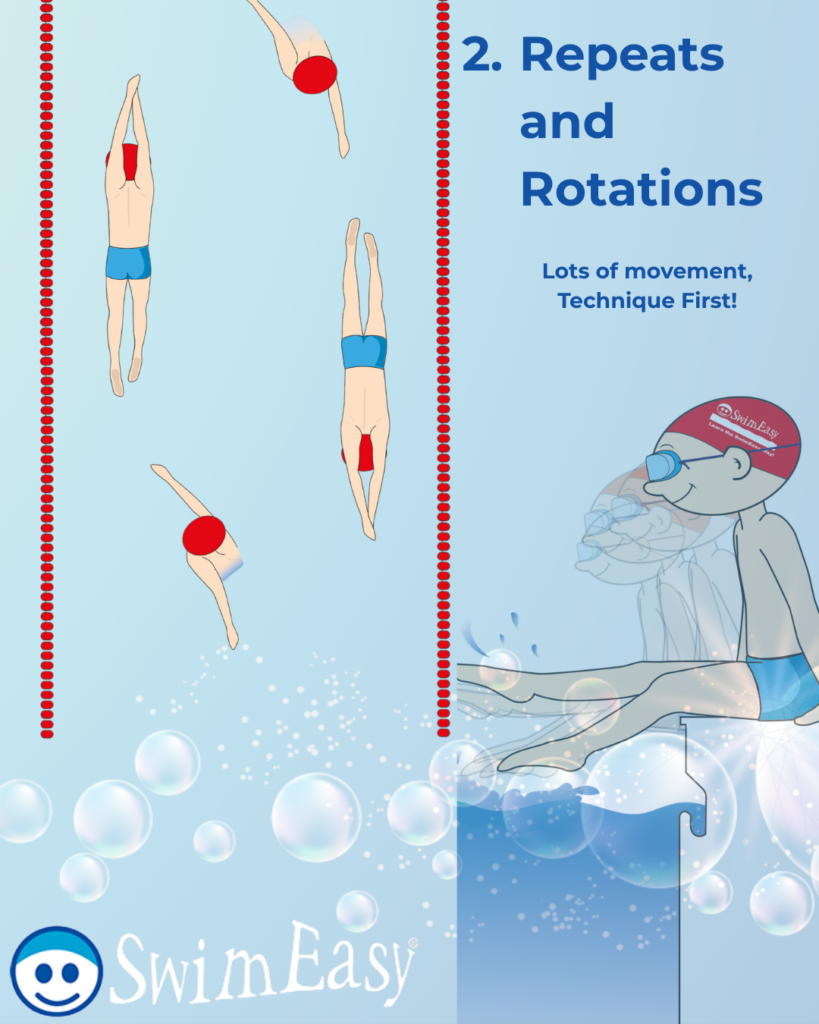
Lots of movement, technique first! We use repetitive cycles to build muscle memory, ensuring the stroke is technically sound before we add distance.
3. Respect and Motivate
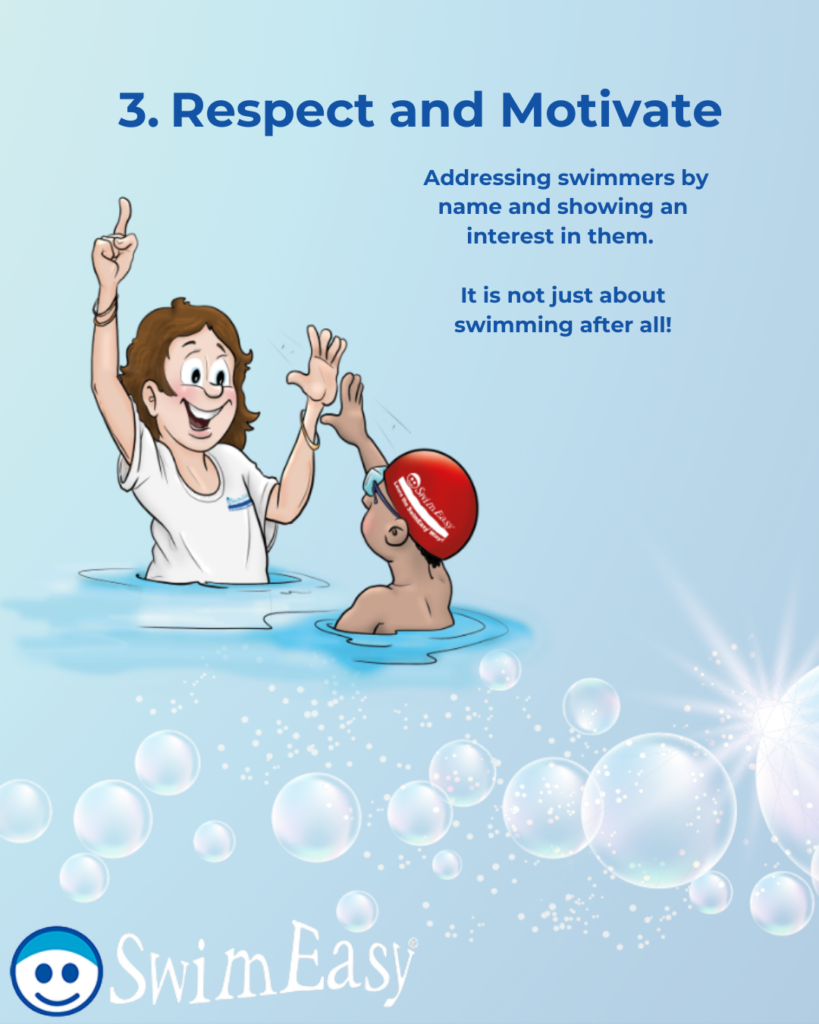
It is not just about swimming, after all! We address every swimmer by name and show a genuine interest in them to build the trust needed for great learning.
4. Address and Correct
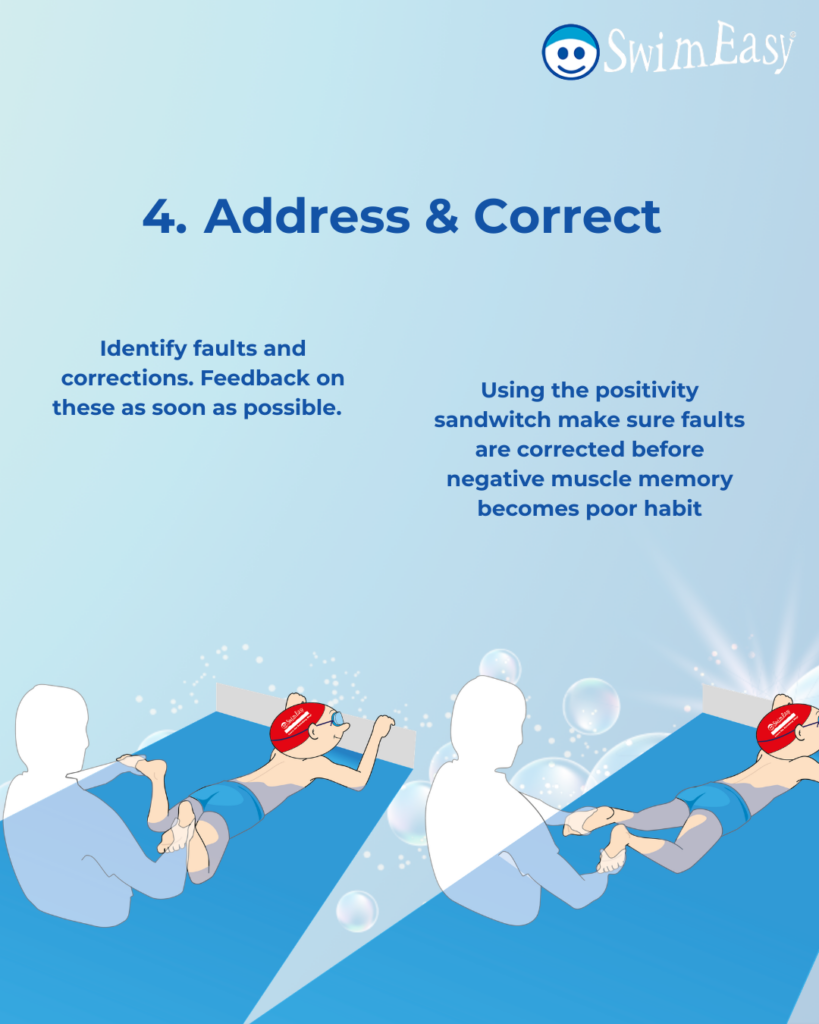
Using the “positivity sandwich,” we identify faults and provide feedback immediately. This ensures corrections are made before negative muscle memory becomes a poor habit.
5. Something New
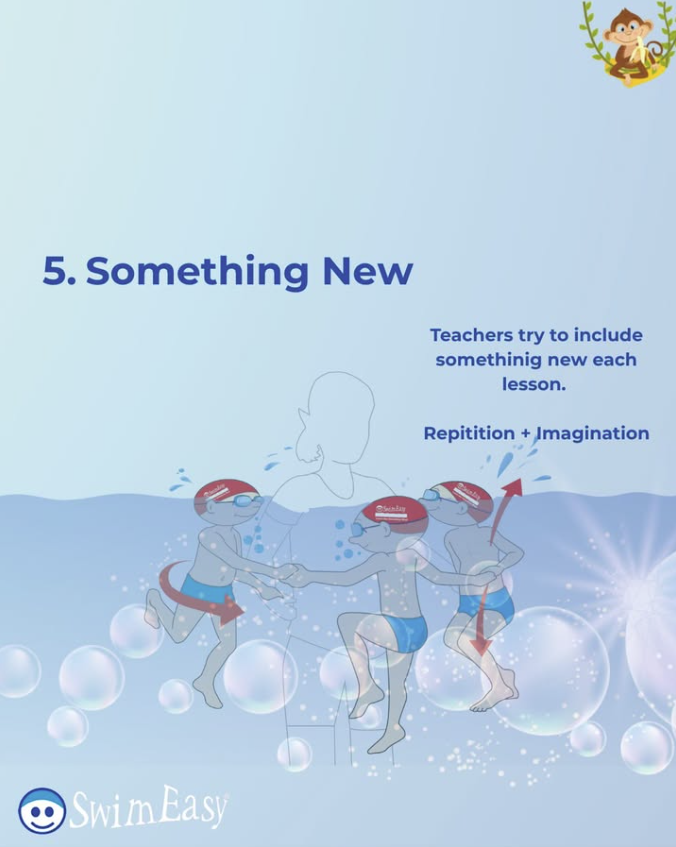
Repetition + Imagination. Our teachers strive to include something new in every single lesson to keep students engaged and excited to learn.
6. Review and Revise
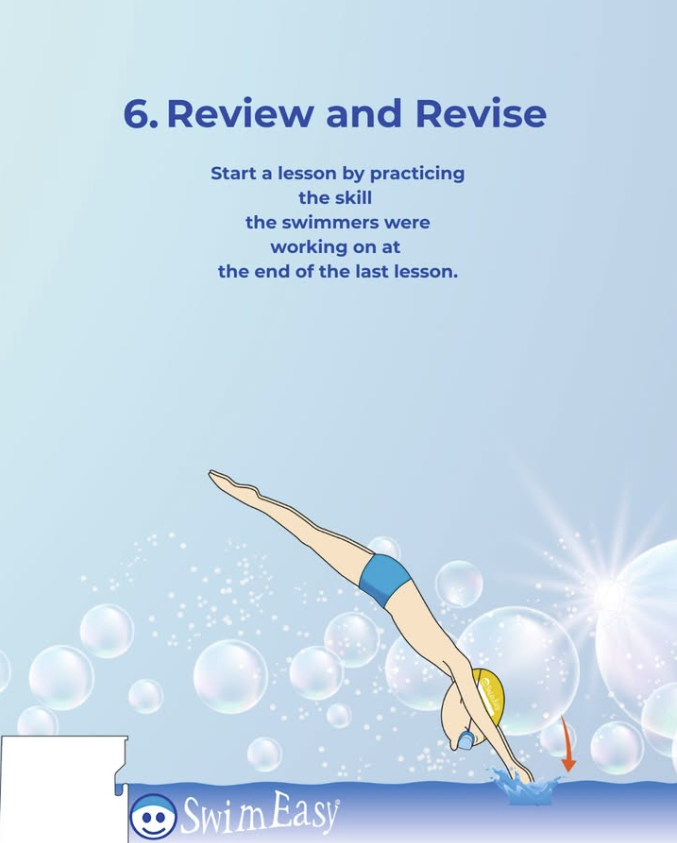
We start every lesson by practicing the skill the swimmers were working on at the end of the previous lesson. This reinforces their learning journey.
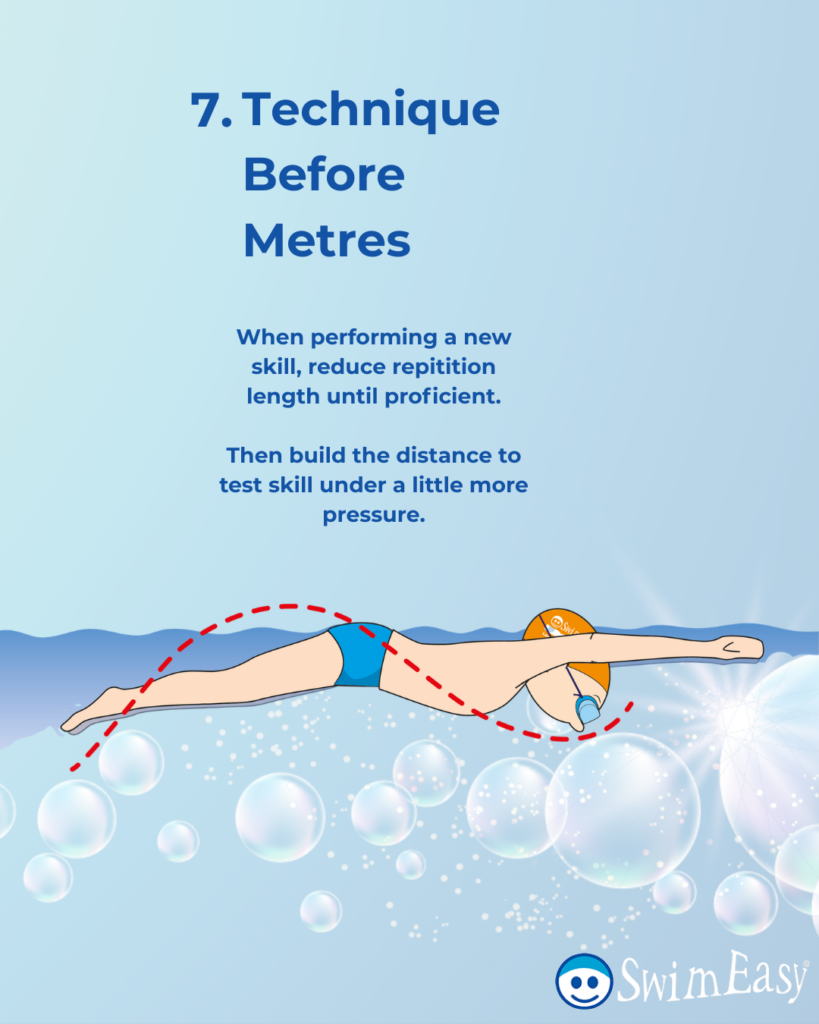
7. Technique Before Metres
When performing a new skill, we reduce repetition length until the student is proficient. Only then do we build distance to test the skill under a little more pressure.
8. Evolve, Develop and Share
Swimming is always changing, and our teachers’ professional learning is no different. We never stop learning and sharing new ways to build on old ideas.
9. Imagination and Imagery
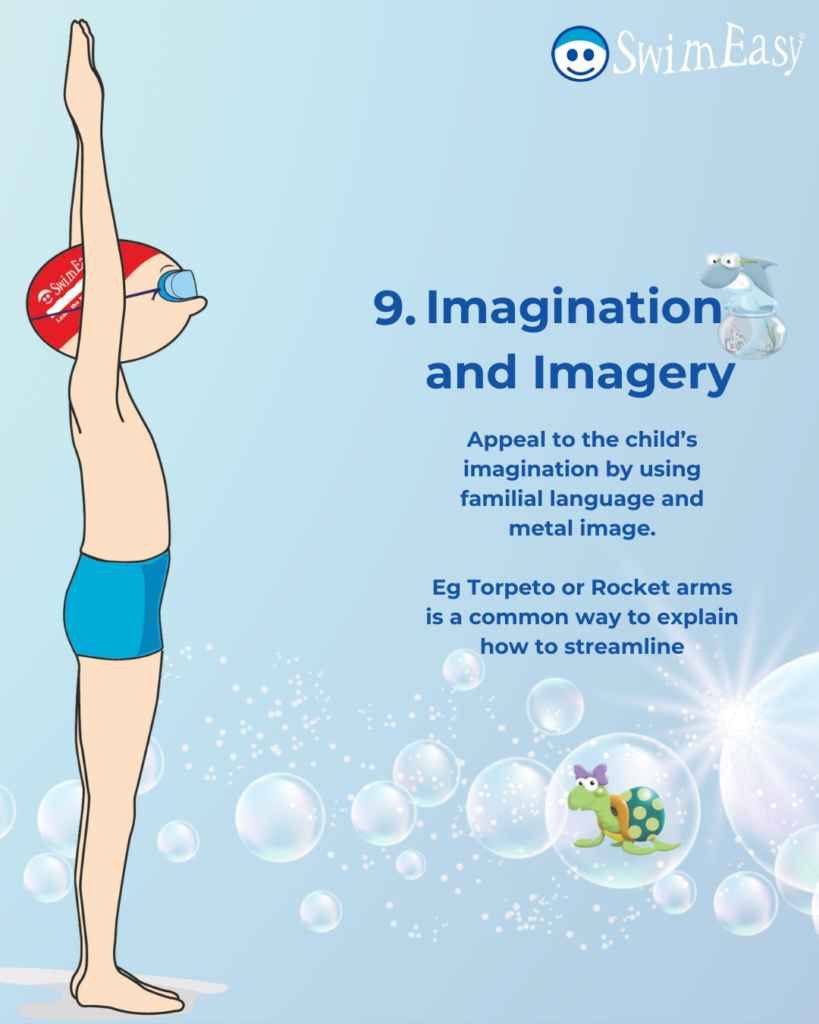
We appeal to a child’s imagination by using familiar language and mental images, like “Torpedo” or “Rocket arms” to explain a perfect streamline.