
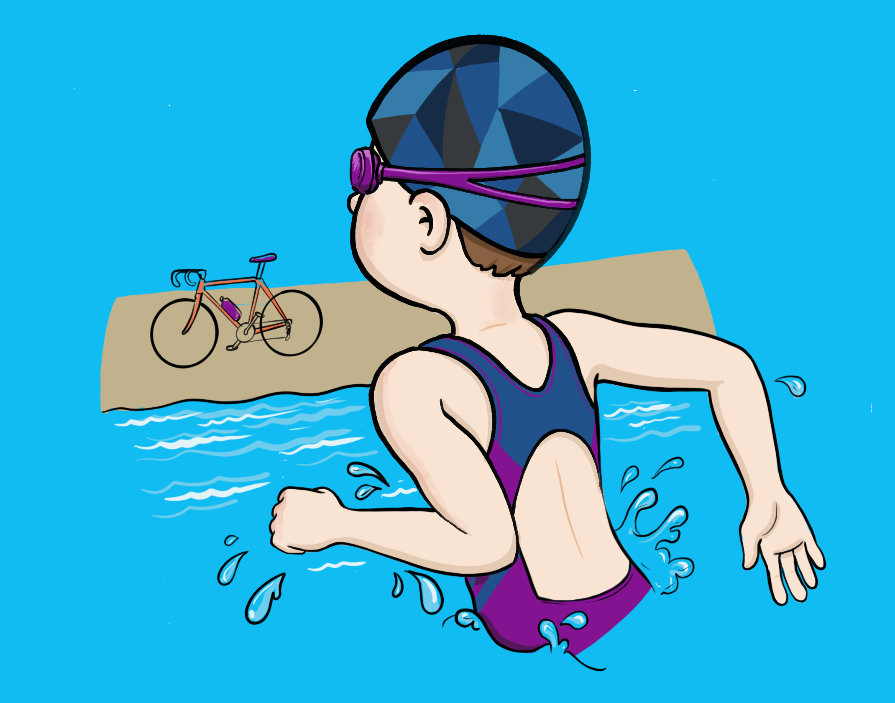
When parents enrol their children in swimming lessons across Scotland, the primary goal is almost universally the same: safety. We want to know that if a child trips near a loch, tumbles off a riverbank, or finds themselves out of their depth in a holiday pool, they have the instinctive ability to survive.
At SwimEasy, foundational water confidence underpins every single thing we teach. Understanding the Water Safety Code, learning how to float, and knowing how to return to a “safe place”. Whether that is reaching for the pool edge, rolling onto the back to rest, or finding stable ground, are indispensable core survival skills.
However, water safety education cannot stop at basic survival floating.
To be truly safe, a swimmer needs more than just confidence, and they need more than just awareness. They need an adaptable physical toolkit built on sound biomechanics, efficient stroke technique, and cardiovascular stamina.
The Limits of Surviving vs. The Power of Technique
There is a common misconception that once a child can tread water for a minute or float on their back, they are “water safe.” But surviving in a calm, heated 25-metre indoor pool with clear sightlines and no current is vastly different from navigating open water or an unpredictable outdoor environment.
Just surviving is not always enough. If a swimmer relies solely on basic instincts or rudimentary, high-energy doggy-paddle, fatigue sets in within seconds. Panic often follows exhaustion. When a child or adult begins to tire, poor mechanics cause them to sit lower in the water, increasing drag and making every breath a fight against gravity.
Conversely, technique alone is not always enough. Consider elite athletes: an Olympic pool swimmer possessing flawless stroke efficiency in a calm, chlorinated lane might still struggle in ocean surf or coastal rip currents if they lack open-water literacy and respect for dynamic conditions.
What the Olympian does possess, however, is an extraordinary foundation: the technical ability to conserve energy, adjust their breathing rhythm, and swim efficiently when conditions change. They have the physical tools to navigate danger without burning through their energy reserves.
The Three Pillars of a Complete Aquatic Toolkit
Real-world water confidence is not a single skill; it is a layered progression where each element supports the others.
1. The Core: Safety Rules & The “Safe Place”
Every lesson at SwimEasy reinforces safety fundamentals from day one:
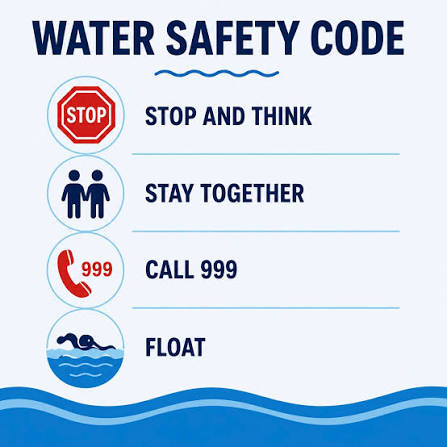
- The Water Safety Code: Stop and think, stay together, call 999/112 in an emergency, and understand the dangers of cold water.
- Finding the Safe Place: Teaching children to orient themselves immediately upon entering the water, locate the nearest exit or flotation point, and stay calm.
2. The Engine: Biomechanical Stroke Efficiency
Proper technique is not reserved for competitive racing clubs; it is the ultimate energy-conservation mechanism.
- Streamlining & Body Position: Teaching a swimmer to press their chest down and keep their hips high reduces frontal resistance. Less resistance means less physical effort required to travel each metre.
- Effective Propulsion: A structured kick and a clean catch move water backwards rather than downward, allowing the swimmer to make forward progress without flailing.
- Controlled Breathing: Seamless breathing mechanics prevent hyperventilation and ensure steady oxygen delivery when physical exertion increases.
3. The Shield: Stamina and Mental Resilience
When a swimmer possesses efficient technique, they unlock stamina. Stamina breeds true confidence, the kind that allows a child to think clearly, assess their surroundings, and stay composed even when they begin to tire. They know they can switch from an active propulsion stroke to a relaxed, streamlined backstroke, regain their breath, and continue moving towards safety without distress.
Building Lifelong Competence Across Scotland
Whether our swimmers are training at our venues in Edinburgh, Glasgow, or Falkirk, our goal is never simply to check off an arbitrary checklist of badges.
We look at the bigger picture: equipping young people with a lifelong, adaptable toolkit. By marrying the instinctive discipline of the Water Safety Code with refined stroke mechanics and endurance, we ensure that every SwimEasy child is not merely surviving in the water, but thriving with competence, control, and lasting confidence.
Come and see why Nobody Does it Better and Nothing is Left To Chance!